Journal / Journal
The Public Health Crisis Hiding in Our Pockets
Anxiety, sleep loss, and attentional fragmentation aren't "strict parenting" preferences. Heavy childhood screen use is a public health problem — and one day we'll talk about it the way we talk about smoking.
Thomas O'Connell · July 12, 2026
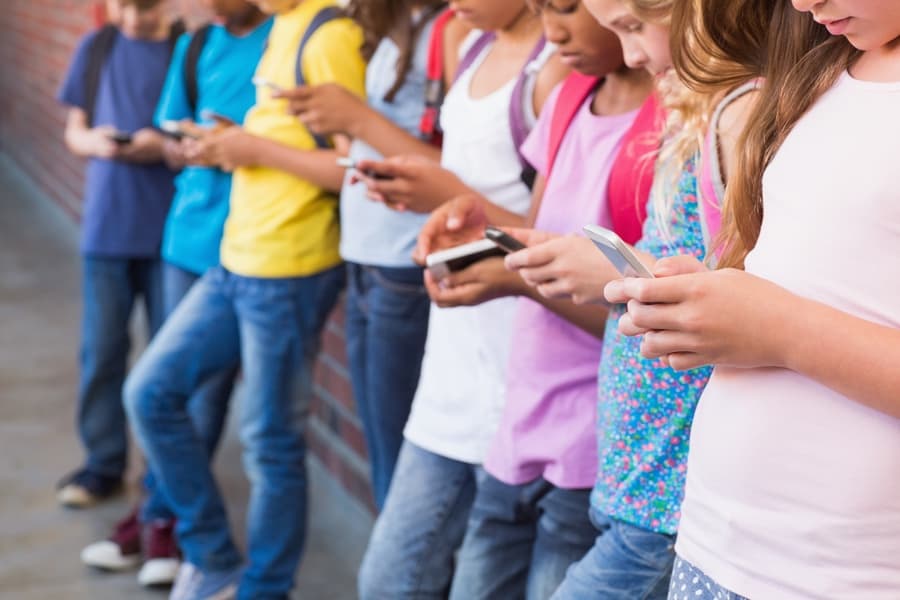
We keep treating kids and smartphones like a lifestyle debate — as if the only question is whether parents are "strict" or "chill." That framing is too small. What we are watching is a population-level shift in sleep, anxiety, attention, and social development. That is not a taste difference. That is public health.
The symptoms are already population-scale
Teen anxiety and depression climbed in lockstep with smartphone ubiquity. Sleep got shorter and later. Free play shrank. Spontaneous talk — the conversational bridge that builds brains — got crowded out by skims and streaks. None of these trends needed a conspiracy theory. They needed a product category that put an always-on casino in every pocket.
Public health crises are often invisible while they scale. Lead in paint looked like progress until it didn't. Smoking looked like adulthood until the data made denial impossible. Childhood screen exposure is in that awkward middle chapter — where the industry still sells "connection," and families are left holding the bill in sleep and mood.
We will look back on this like smoking
One day, "I grew up with a phone in my hand from age nine" will sound the way "we smoked in the car with the kids" sounds now: not evil in every individual case, but collective negligence we finally named. Heavy screen usage will be remembered as an exposure — something we normalized before we understood the dose.
That does not mean every screen is poison. Movies together on a weekend are not the same as a feed engineered for infinite return. The crisis is the default: unsupervised, algorithmically amplified, all-day access during the years when attention and identity are still under construction.
What a serious response looks like
A public health response is not a lecture. It is a change in the environment. Seatbelts. Smoke-free flights. Age gates that actually mean something. For kids, that means delaying the open internet phone — and offering a real substitute so "wait" is not the same as "disconnected."
Loup exists because we refuse the false choice between isolation and the feed. Voice. Approved contacts. No apps. Hardware that cannot become a slot machine. If this is a crisis, then boring tech is not nostalgia. It is harm reduction.
We are not waiting for perfect consensus. We are building the off-ramp while the data is still catching up to what parents already feel in their houses at 10 p.m.